We produce compound nitrogen and phosphate based Fertilizers as balanced nutrient solutions and ensure their availability throughout Pakistan.
A joint venture between two major business groups, Fatima Group and Arif Habib Group.

Overview
The fertilizer complex is a fully integrated production facility, capable of producing three intermediate products, i.e., Ammonia, Nitric Acid and LCO2 whereas three final products which are Urea, Calcium Ammonium Nitrate (CAN) and Nitro Phosphate (NP) at Sadiqabad, Rahim Yar Khan. The complex has a 56MW captive power plant in addition to off-sites and utilities. The complex has been allocated 110 MMCFD of gas from the dedicated Mari Gas fields.
Vision
To be a world class manufacturer of fertilizer and ancillary products, with a focus on safety, quality and positive contribution to national economic growth and development. We will care for the environment and the communities we work in, while continuing to create shareholders’ value.
Mission
- To be the preferred fertilizer company for farmers, business associates and suppliers by providing quality products and services.
- To provide employees with an exciting, enabling and supportive environment to excel in, be innovative, entrepreneurial in an ethical and safe working place based on meritocracy and equal opportunity.
- To be a responsible corporate citizen with a concern for the environment and the communities we deal with.
Key Highlights 2025

2,856
MT in “000”
Fertilizer Production

2,883
MT in “000”
Fertilizer Sales

276,177
Rs in Million
Revenue

42,059
Rs in Million
Profit After Tax

150+
Million
Combined Safe Man Hours

1,134
rs in Million
Investment in CSR

277,793
numbers
Agriculture Farms Addressed

13,387
numbers
Trees Planted
Annual Production
Capacities / Metric Tons
500,000
UREA
470,000
CAN
490,000
NP
500,000
NITRIC ACID
560,000
AMMONIA
Our Products
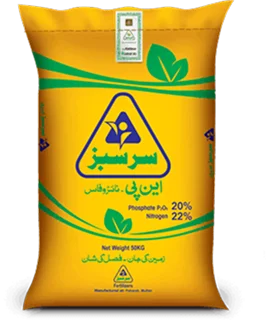
Sarsabz NP
Sarsabz Nitrophos is formulated as an acidic (pH 3.5) phosphatic (P₂O₅ 20%) fertilizer; chemically balanced…
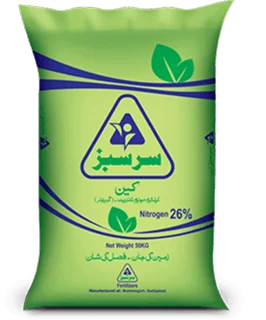
Sarsabz CAN
Sarsabz CAN, a highly use efficient, slow-release nitrogenous fertilizer (N 26%) chemically balanced with…
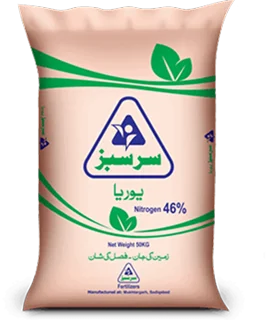
Sarsabz Urea
A highly concentrated nitrogenous fertilizer with 46% Ammonical form of Nitrogen, designed to promote vegetative growth…
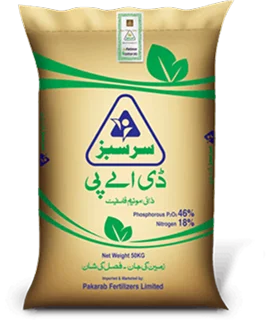
Sarsabz DAP
A compound fertilizer with 46% P₂O₅ and 18% nitrogen, used as basal application in crops. It promotes root development…
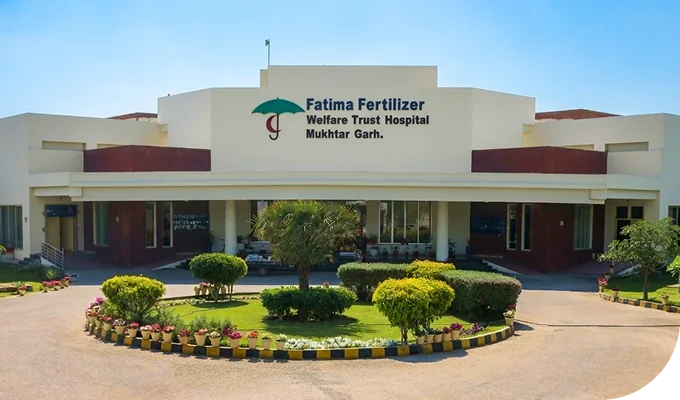
Fatima Fertilizer Welfare Hospital
Fatima Fertilizer Welfare Hospital (FFWH) is a key project of the company’s vision towards community welfare. The company, under the guidance of Government of Punjab has undertaken to establish a modern welfare hospital in the vicinity of the plant site, to cater to the needs of the underprivileged of the area. This is the first ever initiative of its kind and magnitude in the private sector. FFWH will create an integrated health care facility to be recognized nationally and internationally.
The company is committed to acting as a responsible corporate entity and will continue its social and corporate commitments for the benefits of its surrounding populations. At Fatima Fertilizer, corporate social responsibility revolves around a self-regulating mechanism and our business is monitored and adheres to the laws, ethical standards and internal values.

Health, Safety and Environment
We are committed to maintaining safety and health of all the employees, visitors and communities by implementing world class HSE standards, international best practices and, applicable laws and regulations. We also recognize the importance of protecting the environment while conducting our business and believe that caring for the environment is not only an ethical and legal obligation but also a mechanism for success.
We measure our personnel safety performance in terms of Total Recordable Incident Rate (TRIR). Fatima Fertilizer Company Limited (business and contractor partners) holds the highest number of Safe Million Man-hours (SMMH) in the fertilizer sector of the world and currently holds the Guinness World RecordsTM title.
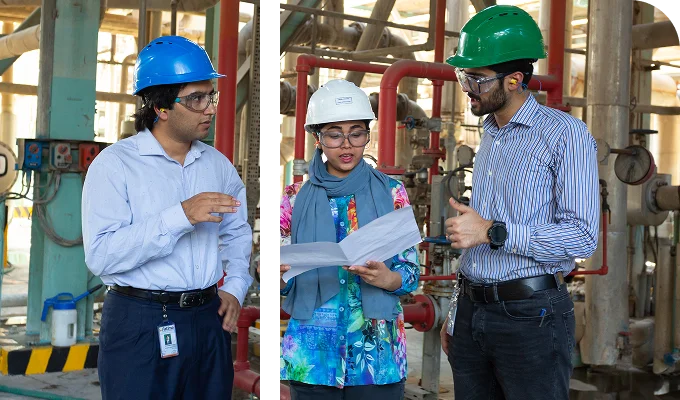
Process Safety
Our Process safety goal is to make sure that our facility is well designed, safely operated and properly maintained to prevent loss of containment. We use structured processes to manage changes in facility and asset integrity, hence preventing leaks, spills breakdowns. FFL is governed by DuPont’s Process Safety Management (PSM) system which is designed to comply with US OSHA Process Safety Management (29 CFR 1910.119) requirements.